

Tesla’s Oct. 21 Call: Shareholders’ Top Questions Are About Cybercab, FSD and Optimus
Tesla reports Q3 results Oct. 21. The top-voted shareholder questions ask how Cybercab grows past Austin, when HW3 owners get a plan and what Optimus costs.
Tesla reports Q3 results Oct. 21. The top-voted shareholder questions ask how Cybercab grows past Austin, when HW3 owners get a plan and what Optimus costs.
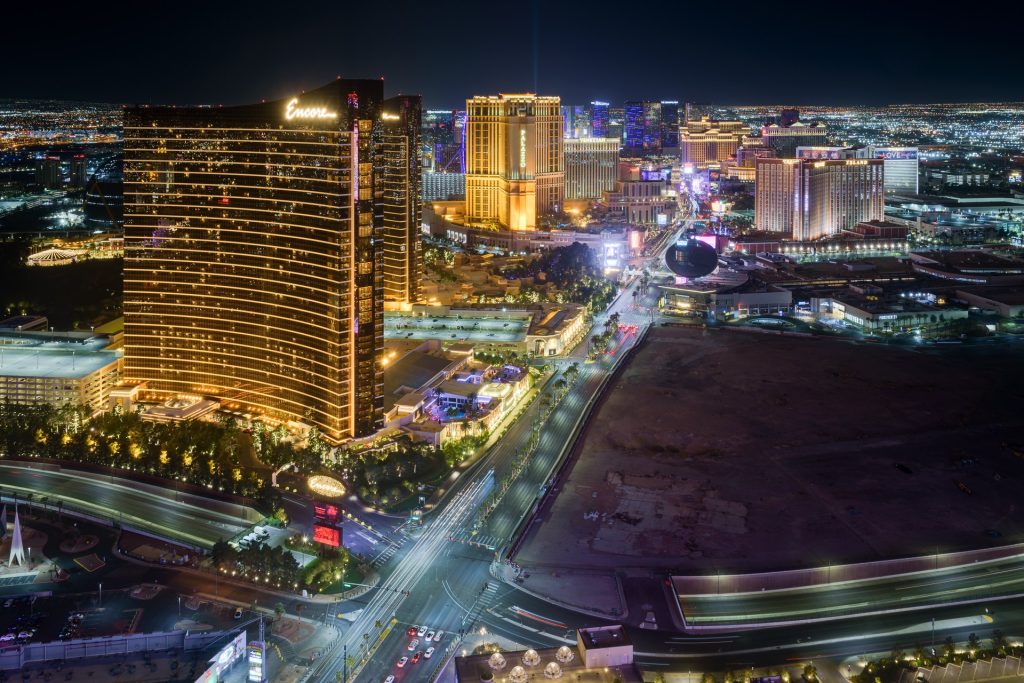
Tesla holds Nevada approval to run as many as 5,000 robotaxis in Clark County. It does not have a public launch date in Las Vegas — and a short rule in the state’s autonomous-vehicle code means the calendar is not entirely Tesla’s to set. Under the Nevada Administrative Code, section 706B.360, an autonomous vehicle network

Waymo’s robotaxi footprint now reads like a national map. TechCrunch reporter Kirsten Korosec, writing September 24, 2026, notes that the Alphabet-owned operator offers robotaxi service in 15 U.S. cities and is averaging 500,000 paid robotaxi rides every week. Two years earlier, in September 2024, the commercial footprint was three cities: Phoenix, Los Angeles, and San

Tesla counts California as a Robotaxi metro. TESLA ROBOTAXI LLC’s DMV permit is testing with a driver.

While FSD software grabs headlines, the real constraint on humanoid labor is hardware battery life. Discover why endurance chemistry is Tesla’s true moat.

Tesla’s tiny Austin robotaxi fleet hides a massive secret: the swarm intelligence clearing local gridlock is the blueprint for factory humanoid labor.

How Tesla’s unsupervised FSD airport pickup breakthrough in Texas proves the generalized spatial AI required to commercialize Optimus humanoid robots.

Tesla’s new Cybercab interior update features 30,000-cycle textiles and IP67 drainage, slashing maintenance costs and boosting robotaxi profitability.